Biophilia: Our Secret Love of Plants
The word biophilia derives from the ancient Greek word bios, meaning ‘life’ and philia meaning ‘love’ or ‘friendship’.
American biologist and naturalist Edward O. Wilson first introduced the biophilia hypothesis, which essentially suggests that human beings are inherently drawn towards other living systems. Yet, as this connection can exist entirely on a subconscious level, many of us stay unaware that the lack of natural surroundings has a negative impact on our physical, mental or emotional wellbeing.
As city dwellers perhaps we, more than most, feel the huge influence that a vacation by the sea, in the mountains, or the countryside has on us. We are invigorated and energised, and can sense that some fundamental and integral part of our being, is not always well nurtured.
The other day, I met this gentleman who lives in Crouch End. A city guy in every particular. He was adamant that he couldn’t imagine his life without the hassle and bustle and diversity of big city life. He actually suggested that he’d be quite chuffed if someone were inventive enough to give ‘Escape from the Country’ a chance! That programme would have been his ultimate enjoyment.
Yet, while I was expressing my exultation over the size of this year’s potato harvest in my allotment, he couldn’t hide the excitement he got from the newly planted patch in his back garden. Then he confided that he had, however, a slug problem. So from then on the conversation was devoted to the slugs and how to fight back organically!
Even here in the city, there are so many imaginative ways to maintain a healthy contact with nature. As we look at them in this column, you’ll see that integrating the biophilic design into many aspects of human life is not awfully difficult to achieve. All it takes is to observe nature, learn how she does it – and then copy.
Special bonus? Practising biophilia keeps us happy. Guaranteed.
Planet Holborn Media Ltd. ©
Biophilia: Observing more; controlling less.
Being one of those ridiculously peculiar people who likes to thank my plants for whatever they do for me – beautifying my garden, filling my plate or healing my aches and discomforts, I also like to observe more and control less. What I am trying to say is, that learning directly from Nature and allowing her to unfold uncurbed has its great merits.
For instance, endeavouring to bring digging at the allotment to a minimum has rewarded me with some lovely plants, many of which people strangely enough call weeds, which could either be eaten, used as a remedy, as fertilisers or as indicators of soil condition. What’s more, this year, to my pleasant surprise, I stumbled upon oak, beech and cherry tree seedlings along with a rosebush
baby. What an honour!
Besides, leaving the earth undisturbed brings so much more life to it; it definitely starts teeming with more beneficial insects, worms and birds; and the general feel of the land exudes liveliness and joy, spontaneity yet nonchalance. It is indeed an amazing experience to learn from Nature, and before I started gardening I had all possible books I needed to get me started and teach me the best ways to do it. Yet, rarely did I resort to any of them, as I felt eager to explore and discover for myself and learn from my own mistakes.
It’s worth mentioning here the amazing methods of Austrian farmer Sepp Holzer who uses no chemicals, as little human labour as possible, and immense plant diversity – at low temperatures that are unusual for some of them. No plant or animal is treated as unnecessary; everything takes part in nature’s eternal dance and bounty. Most of all he uses observation, and achieves great results!
And so, my next project is leaving the lawn go wild and uncut as well as the autumn foliage unswept. My housemate, however, didn’t seem very fond of the idea and retorted: ‘Except it won’t be a garden but a forest!’ ‘Yes!’ thought I, ‘this is the overall impression we’d like to create’. No worries though, the following weekend we played Jenga together, so it seems she has forgiven.
‘Today we have more soil scientists than at any other time in history. If you plot the rise of soil scientists against the loss of soil, you see that the more of them you have, the more soil you lose.’
– Bill Mollison
Planet Holborn Media Ltd. ©
Biophilia: Love Thy Seed
It may come as a bit of a late suggestion, considering it’s now December, but it is still worth mentioning that collecting your own seeds not only bestows contentment and joy, but also saves a lot of money.
All Life, human, plant and animal, emerges from a single seed. This contains all of the information needed in order for existence to unfold and experience itself in a given form.
The seed is as essential to Life as is the Sun, air, water and earth. Should we lose any one of these, life on the planet would become completely unrecognisable. Therefore, showing our gratitude for Nature’s largesse through the choices we make every day will help to guarantee its healthy and abundant provision in our present and for a future continuance.

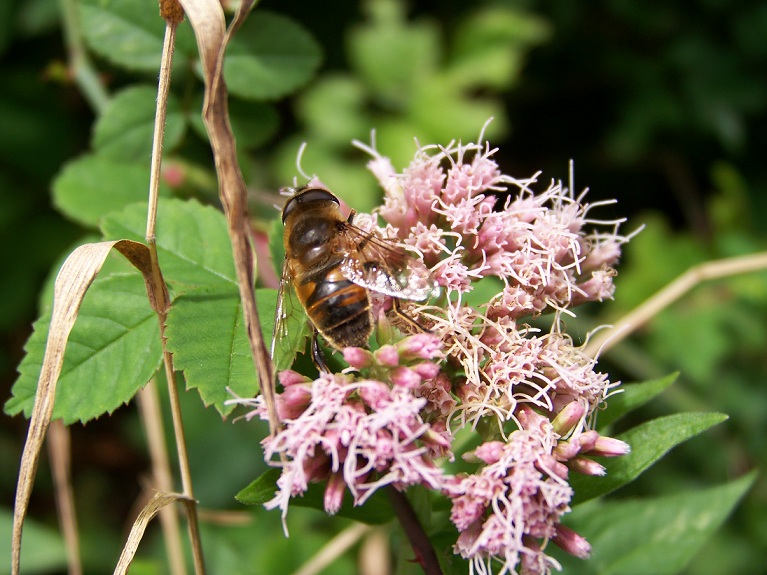
But why collect our own seeds? Because by doing so we experience and connect with the beauty of each gift as Nature seeks to complete another cycle. That is, from a seed through fruit and flower to a seed once more. Furthermore, allowing some plants to flower before they run to seed attracts enamoured butterflies and bees! And in the end, if we find ourselves having far more supply than we actually need, we could always either share with fellow gardeners and plant lovers or use the stack to make your own sprouts! Sunflower, broccoli, radish, alfalfa, mustard, chickpeas, beans and many other seeds, they can all be sprouted.
Happy seed harvesting!
‘To be admitted to Nature’s hearth costs nothing. None is excluded, but excludes himself. You have only to push aside the curtain.’ /– Henry David Thoreau /
Planet Holborn Media Ltd. ©
Biophilia: A parable
‘Said the Old Snake of Knowledge’
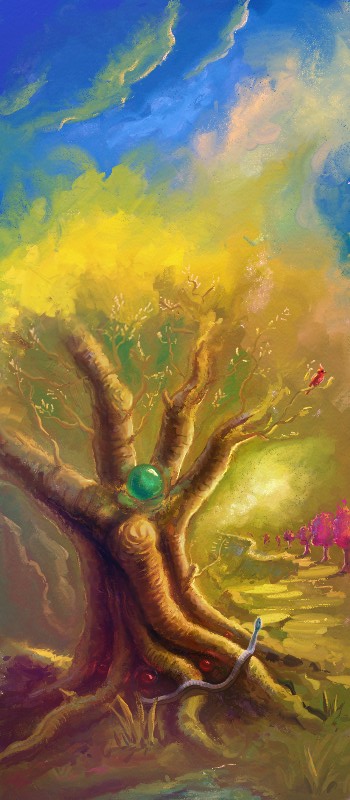
A bird flew far and wide in an ardent search of an answer to its question. In a final bid, it entered the lands of the Old Snake of Knowledge, legendary keeper of all the answers. Here, it circled the forest for days, and was about to give up when it spotted the reptile resting quietly in the shadow of a tree. It quickly flew down to perch on the branch above.
‘Good day, brother’ greeted the bird. ‘I have traversed the world, seeking an answer to my important question. I hear you are wise, and perhaps able to help me?”.

‘Why, of course! Proceed with your asking, feathered creature’ said the snake assuredly.
‘Thank you, brother. I am most grateful. I am one that feeds on the succulent fruit of the red-leafed tree growing along the path over there. To our kind, it is the most perfect tree, and I have been yearning to understand how its seed came into existence.’
‘How? It was just borne in the fruit itself, of course’ said the snake with derision.
‘Indeed. But how did this perfect fruit come into existence?’
‘Well, this is so simple. Each healthy blossom gives birth to one healthy fruit.’
‘I have observed that too, and would not disagree with you, my sapient brother. However, what force invites each blossom to transform into the most splendid food?’
‘That is a foolish question, little bird. If you had indeed been observant, you’d know that blossom emerges from a bud growing on a fresh young twig, that has sprung from one of many branches on a tree. .So the tree is the parent of all the fruit.’
‘Yes, blessed be that tree, wise brother. It has sustained us, and we are most appreciative. Now, if I were to ask how the tree itself came into existence, I know you would say it was born from the seed of that tree.’
‘I see you are starting to understand the simplicity of it all. But I expected you to challenge me with greater questions, so you have wasted my time. Now I shall continue on my way’
‘But wait, I beg of you my friend, one more question’ pleaded the feeble bird.
‘Very well, a last question, you are allowed’ agreed the now slightly aggravated snake.
‘Oh, the seed. Where did the seed emerge from?’ ‘I have just answered your question‘ hissed the irritated reptile. ‘Depart, simple creature! Go back to where you came from and never return. I do not appreciate your teasing me!”
The little bird understood the snake’s anger, but was deeply disappointed that even the wisest of all could not answer its question. So it spread its wings and rose high up in the sky. And the more it thought about the question, the higher it rose, and the more splendid and luminous the Sun became.
In turn, the snake continued on its way, crawling under the dense shadows of vegetation. ‘What a silly bird indeed.’ said the Old Snake of Knowledge.
Planet Holborn Media Ltd. ©
Biophilia: Healing Nature
The healing power of herbs has been harnessed since time immemorial and our modern, allopathic medicine also owes its existence to nature’s healing database…
When plants first begun to be scientifically studied, their healing agent, called the ‘active ingredient’, was extracted and later synthetically reproduced to make a pharmaceutical drug. However, in modern medicine the active ingredient is concentrated, synthetically produced and lacks the other ingredients a plant would naturally have.

The healing effect of herbs is achieved through a process called synergy. This means that although the active ingredient is the main healer, all the plant’s ingredients are needed as they are there to serve as balance regulators. So, if any of them were missing true healing would not be accomplished. As modern medicine lacks these ‘unnecessary’ ingredients, the balance is disturbed and as a result the ‘side effects’ list on the medicine leaflet is inevitable.
Nature’s natural state is balance. When we create disease this means we have somehow deviated from this natural state of balance. Therefore, isolating a component from a living system in its wholeness state would immediately create unbalance. A good example of this is when the wholeness of grain is disturbed when stripped of its germ and bran and thus of its most important nutrition. Nowadays we are becoming more and more aware that whole foods are the best for our health.
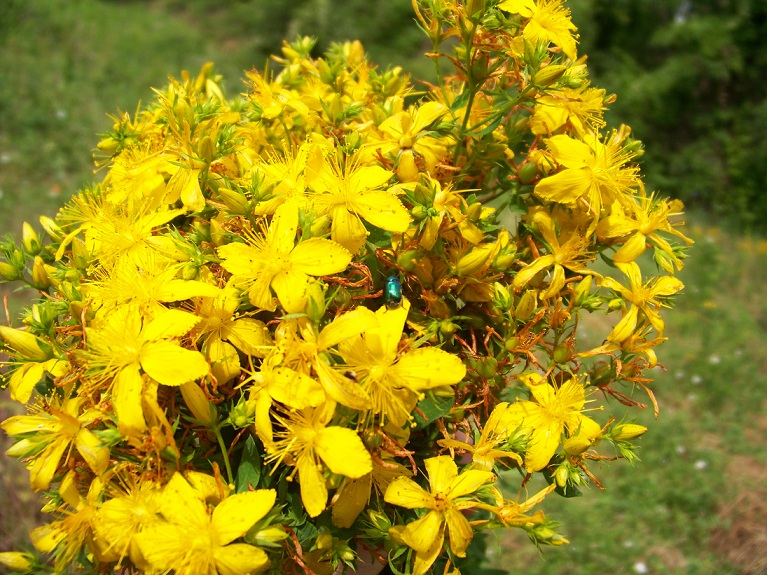
Another common issue, when people try to heal themselves, is the lack of awareness that whatever the illness, it has its root cause. Modern drugs, unfortunately, do not seek to find the root cause. They work with the symptoms, and aim to suppress them. This is not healing. It is temporary mending. Fine, but even if the problem is cured for the time being, chances are it will reoccur – unless the real cause is identified. This is not to say that allopathic medicine should not be used. On the contrary. If I break my leg I wouldn’t want to rely on herbs for the serious damage to be fixed. So we do need it to be there, coexisting with other natural remedies each used according to the individual case. However, in the long run, it is important for disease to be inspected holistically as part of every aspect of a person’s life. This natural way would be the true healing way.
Herbs are generally more gentle medicine and mainly need to be taken over a longer time period. And their effect won’t be felt immediately. But one of their most important aspects is the user’s willingness to find out from where the illness originates. If a person is willing to embark on their own journey of research about health and natural remedies, they discover that it is of absolute importance to understand who we are on every level of existence.
‘Know thyself’ indeed. And that includes every aspect of your life. When this begins to happen you will realise that things after all, are not as complicated as they have always seemed.
Planet Holborn Media Ltd. ©
Biophilia: Cleaning Naturally
When it comes to cleaning your home in a non-toxic manner, Nature can offer a lot!
I enjoy preparing my own natural cleaners. It makes me tremendously happy not just because I simply love Nature, but using natural cleaners changes the whole energy of the space. It is also cheaper and healthier – and I even have the opportunity to create my very own labels on the bottles!
Truly, making cleaning products is not a rocket science, and you even get to smell and enjoy the lovely aroma of the natural oils as you do it. Eucalyptus, lavender, lemon, rosemary, tea tree, mint and grapefruit are some of the most common antibacterial or anti-septic essential oils. One or more of these can be mixed together with a few other natural ingredients to create your very own special cleaners!
The main ingredients I use to make a wide variety of cleaning products include baking soda, organic castile soap (a plant-based liquid soap, made from coconut or olive oil). white vinegar, cream of tartar, washing soda, borax and citrus seed extract. Another way to use plants is by grinding dry herbs to prepare a scouring mixture.
Castile soup in particular, is a great multi-purpose treat which can be used as a main ingredient to almost everything – washing-up liquid, laundry liquids, multi-purpose cleaners, floor cleaners and even natural shampoos and hand soaps!
It is always a good idea, of course, to save empty plastic squirt or spray bottles, or containers with shaker tops for the powders.
Here are a few basic recipes to get you started:
Sink scrubber: ½ cup baking soda, ¼ cup dried and ground sage leaves, ¼ cup ground rosemary leaves. Combine all in an airtight container, shake well and sprinkle in the sink. Scrub with damp sponge.
Citrus floor cleaner: 1 gallon hot water, 2 tbsp. liquid castile soap, 15 drops sweet orange essential oil, 8 drops lemon essential oil. Combine all in a bucket and enjoy the fragrance!
Bath and tile scrubber: 1 cup baking soda,1/4 cup liquid castile soup, 2 vit.C tablets (crushed), 3-5 drop eucalyptus or tea tree essential oil. Mix all in an empty shampoo bottle. Add a little water to form a smooth liquid paste.
Washing up liquid: with various scents can be made by mixing liquid castile soup with essential oils of your choice.
Lime-scale and mould: To remove, simply use distilled vinegar. This white vinegar can also be used as a general, multi-purpose cleaner when diluted with water, and if you want, add the essential oil of your choice to it. This one is especially good for kitchen top surfaces.
If you enjoyed making and using these, and would like to try out a range of wonderful mixtures for many other purposes, I recommend a book by Karyn Siegel-Maier called ‘The Naturally Clean Home’. I use it often and simply love it.
Enjoy the cleaning power of Nature!
Planet Holborn Media Ltd. ©
Biophilia – Children and Nature
I remember as a child, when visiting my grandmother in the country during summer holidays, I was ecstatic. For me, there was nothing better than being in the presence of a myriad oak trees, my grandmother’s goats, wild herbs, the old and ravishing chestnut trees and many hills separated by deep and awesome valleys. Stunning. In such a presence of powerful Nature, I felt free and true to my own being. As I compared this to my routine life in town, I felt depressed. Everything the town represented felt illusory, unnecessary and nonsensical compared to my organic life in the village. When the holiday ended and it was time to go back to school, I felt huge emotional pain. I had to say goodbye until the next summer…

Not just my own childhood experience, but also my work with children since, has convinced me that being close to Nature from a young age is not something to aim for occasionally, but is an absolute and vital necessity for healthy development, and on so many levels.
I find my ideas are in tune with the great Bengali polymath, Rabindranath Tagore, who considered direct connection with the surrounding world to be the best way for children to learn. In his own school at Santiniketan children sat on mats beneath the trees, took nature walks, and observed and learned from the natural cycles of animals and plants.
‘The highest education is that which does not merely give us information, but makes our life in harmony with all existence. Yet this education of sympathy is not only systematically ignored in schools, but is severely repressed. From our very childhood, habits are formed and knowledge imparted in such a manner that our life is weaned away from nature, and our mind and the world are set in opposition. Thus the greatest education for which we came prepared is neglected, and we are made to lose our world to find a bagful of information instead. We rob the child of his earth to teach him geography, and of language to teach him grammar. His hunger is for the Epic, but he is supplied with chronicles of facts and dates… ‘
Tagore’s philosophy in this is similar to that of Austrian philosopher, Rudolf Steiner who also emphasised the importance of connecting with Nature regularly, tuning into the rhythm and gifts of each season, gardening, and encouraging the crafting of and play with natural toys.
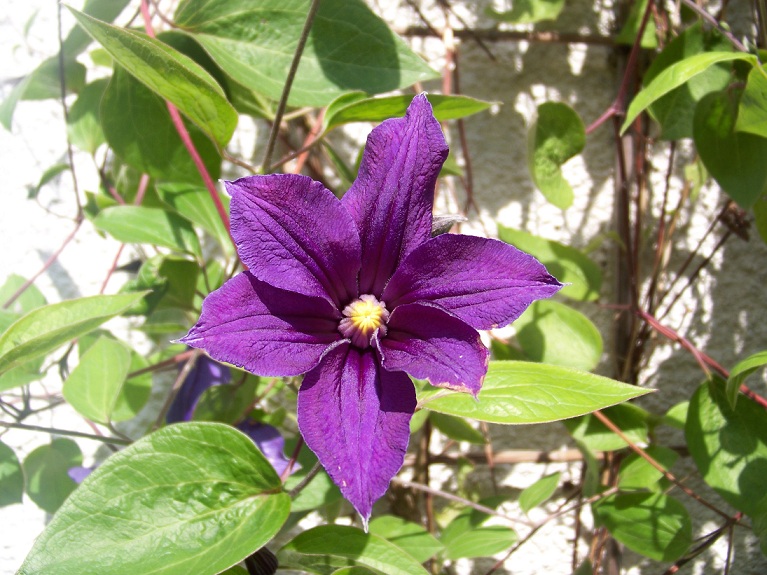
Another such wise teacher, whose ideas Einstein valued, was the Bulgarian paneurhythmy founder, Peter Dunov. He asserted that Nature was children’s favourite environment, and is where they truly awaken to Love and everything noble and beautiful.
He said: ‘Working in Nature spontaneously introduces all subjects to the child, as everything they encounter on a daily basis will teach them something. Curiosity comes, and challenges arise which help strengthen their personality. Their senses, muscles and lungs are exercised and bountiful material provides for the development of their imagination, memory, thoughts, feelings and will. Their teachers will be everywhere, in the grass, flowers, trees, light, wind, clouds, rivers, and mountains. Nature helps man to learn through hardship as well as from its harmony and beauty. This needs to be integrated in a child’s education, as these are the eternal learning methods that Nature offers not just to people, but to plants and animals too.’
I so completely agree with all this, as I have felt it, lived it, and kept it. Today, as much as I’m trying to be a natural adult, I am equally remembering to not take for granted everything that the Earth gives us, but to see it with a full sense of wonder and appreciation. As a child.
Planet Holborn Media Ltd. ©